
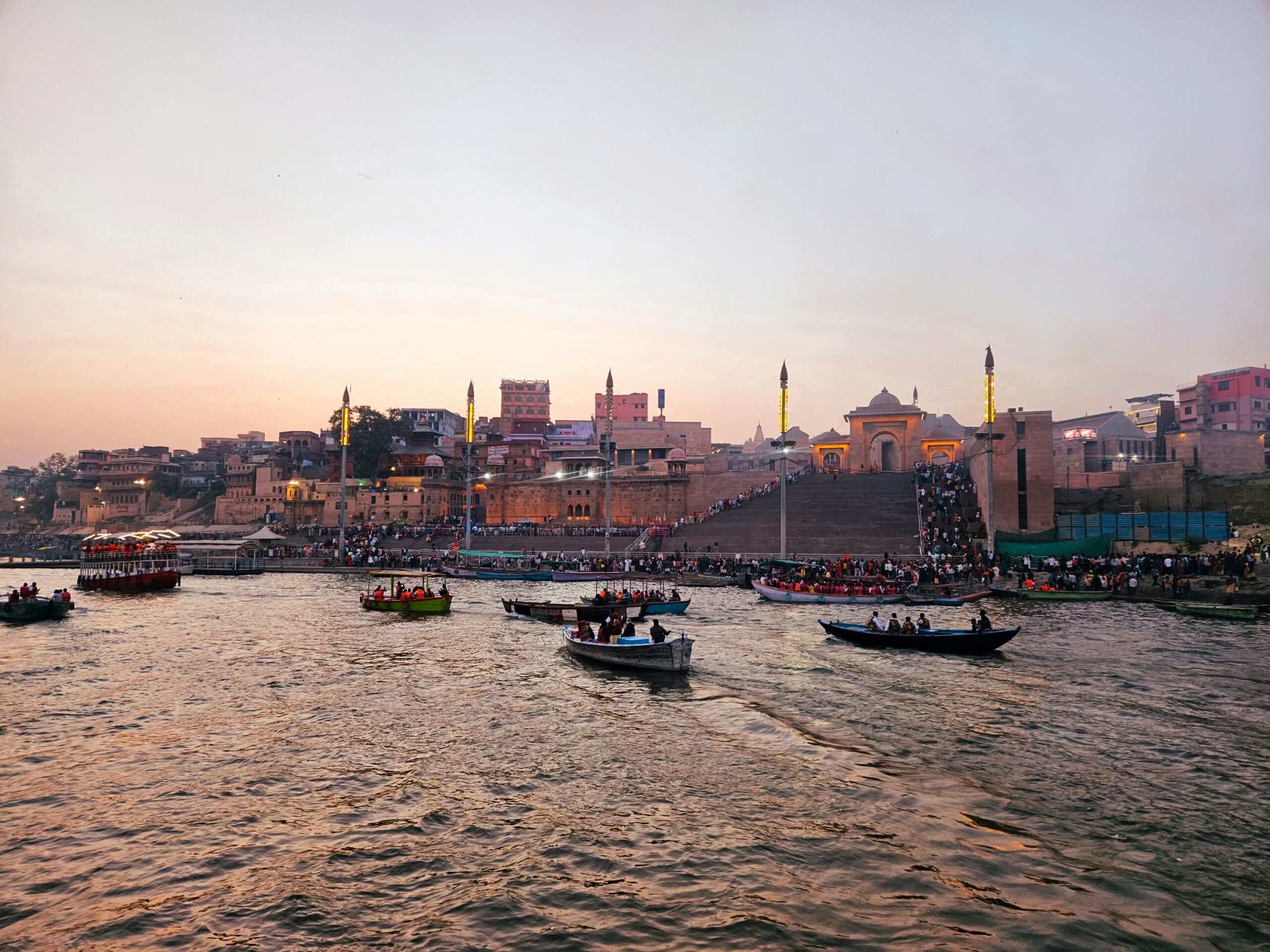
Banaras A Hub of Art and Culture , Close your eyes and imagine a city where every stone sings, every alley echoes with poetry, and every sunrise brings a new performance of ancient rituals. That’s Banaras—not just a geographical location, but a living, breathing museum of Indian art and culture. While many cities preserve their heritage in galleries and archives, Banaras wears its culture on its sleeve, displays it in its streets, and performs it daily on the ghats of the sacred Ganges.
Banaras A Hub of Art and Culture , What makes a city the cultural heart of a civilization? Is it the monuments? The artists? The traditions? In Banaras, it’s all of these woven together into an inseparable tapestry. For over three millennia, this ancient city has been the crucible where Indian art forms have been born, refined, and passed down through generations. From the soul-stirring strains of classical music floating from riverside ashrams to the rhythmic clacking of handlooms weaving legendary silk, Banaras pulsates with creative energy that’s both timeless and contemporary.
This isn’t a city that keeps its culture locked behind museum doors or reserved for special occasions. In Banaras, culture is the air you breathe, the sounds that wake you, and the colors that surround you. It’s in the morning prayers chanted by priests, the intricate patterns emerging from weavers’ looms, and the passionate debates about poetry happening in roadside chai stalls. Let’s dive deep into this extraordinary cultural universe and discover why Banaras remains unmatched as India’s artistic and cultural capital.
The Historical Significance of Banaras in Indian Culture
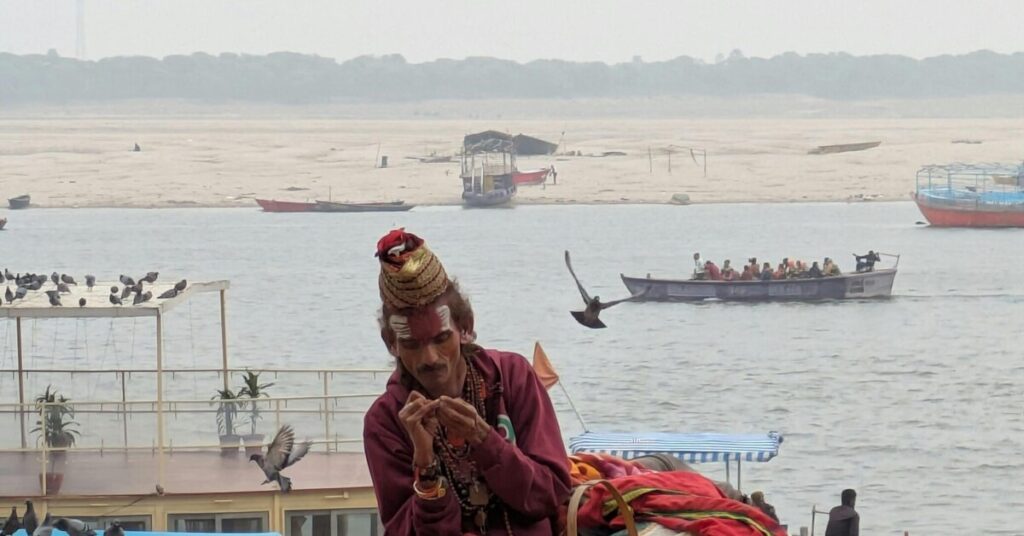
Understanding Banaras’s cultural supremacy requires stepping back into history. This city has been continuously inhabited for at least 3,000 years, making it one of the world’s oldest living cities. But longevity alone doesn’t explain its cultural dominance—what matters is how Banaras used those centuries.
Throughout Indian history, Banaras served as the ultimate destination for scholars, artists, philosophers, and spiritual seekers. Kings and emperors patronized the arts here, wealthy merchants funded artistic endeavors, and temples became centers of learning and cultural preservation. Unlike many ancient centers that declined with changing political fortunes, Banaras maintained its cultural vitality through every dynasty, every invasion, and every historical upheaval.
The city became synonymous with moksha—spiritual liberation—which attracted not just pilgrims but also those seeking liberation through artistic and intellectual pursuits. This unique combination of spiritual and cultural seeking created an environment where arts flourished. Ancient universities like those that once existed here weren’t just about religious study; they encompassed music, drama, dance, literature, and philosophy.
Mark Twain famously wrote that Banaras is “older than history, older than tradition, older even than legend.” This antiquity gives the city’s cultural traditions an authenticity and depth that newer cultural centers struggle to replicate. Every art form practiced here carries the weight of centuries, every performance connects to an unbroken lineage, and every artist inherits knowledge refined across countless generations.
Classical Music Heritage of Banaras
The Banaras Gharana of Hindustani Classical Music
If Banaras were to choose one art form as its crown jewel, classical music would be a strong contender. The city has given birth to one of Hindustani classical music’s most respected traditions—the Banaras Gharana. But what exactly is a gharana? Think of it as a school or style of music characterized by unique techniques, repertoire, and teaching methods passed down through generations within musical families.
The Banaras Gharana is known for its distinctive approach to thumri, a semi-classical vocal form that’s lighter than classical khyal but deeply expressive. What makes the Banarasi style special is its emphasis on emotional expression—the ability to convey the full spectrum of human emotion through subtle melodic variations. Singers from this tradition are masters of improvisation, able to elaborate on a simple phrase for extended periods while keeping listeners spellbound.
The gharana didn’t develop in isolation. It absorbed influences from the devotional bhakti movement, the cultural sophistication of Mughal courts, and the spiritual atmosphere of Banaras itself. The result is a musical tradition that’s simultaneously technically rigorous and deeply moving—capable of bringing listeners to tears or transporting them to states of meditative bliss.
What’s remarkable is how this tradition continues to thrive. Unlike many classical art forms struggling for relevance, the Banaras Gharana maintains active practitioners, attracts serious students, and regularly performs to appreciative audiences. The ashrams and music schools along the ghats continue producing accomplished musicians who carry forward centuries-old traditions while also innovating within them.
Legendary Musicians from Banaras
Banaras has produced an extraordinary roster of musical giants. Pandit Ravi Shankar, who introduced Indian classical music to the Western world and collaborated with The Beatles, had deep connections to Banaras. Ustad Bismillah Khan, the legendary shehnai maestro, was so intimately connected to Banaras that he declined invitations to settle elsewhere, declaring he couldn’t live away from the Ganga and the Vishwanath Temple.
Bismillah Khan’s story epitomizes Banaras’s cultural ethos. Born into a family of traditional musicians, he elevated the shehnai—previously considered a folk instrument used mainly at weddings—to the concert stage. His morning raga performances at the Balaji Temple became legendary, and his devotion to both his art and his city was total. When he passed away in 2006, the entire city mourned, recognizing they’d lost not just a musician but an embodiment of Banarasi culture itself.
Girija Devi, the thumri queen, was another jewel in Banaras’s musical crown. Her voice could express the full range of romantic longing central to thumri while maintaining perfect technical control. She taught generations of students and performed into her eighties, ensuring the Banaras tradition remained vibrant and accessible.
These aren’t just individual success stories—they represent a cultural ecosystem that nurtures musical excellence. The gharana system creates a continuous chain of knowledge transfer, with each generation of musicians building on the previous while adding their own innovations.
Music Festivals and Performances
Music in Banaras isn’t confined to formal concert halls. The entire city becomes a performance venue, with different sounds emanating from temples, ghats, and homes at different times of day. Morning brings devotional songs, afternoons might feature practice sessions audible from music schools, and evenings transform the ghats into open-air concert venues.
The Sankat Mochan Sangeet Samaroh is perhaps the most prestigious music festival in Banaras. Held annually over five nights at the Sankat Mochan Temple, it features all-night performances by India’s finest classical musicians. The unique setting—performing under the stars in a temple courtyard dedicated to Lord Hanuman—creates an atmosphere that’s both intimate and grand. Musicians consider it an honor to perform here, often delivering some of their most inspired renditions.
During the Ganga Mahotsav, the ghats host classical music and dance performances that showcase not just Banaras’s traditions but the broader spectrum of Indian classical arts. The combination of the riverside setting, the spiritual atmosphere, and top-tier artistry creates magical evenings that visitors remember for years.
What’s special about musical performances in Banaras is the knowledgeable audience. Unlike cities where classical music is niche, Banaras has a substantial population of serious listeners who understand the nuances, appreciate improvisations, and respond with genuine understanding. This audience sophistication pushes artists to deliver their best, creating a virtuous cycle that elevates the overall quality of musical life.
The Dance Traditions of Banaras
Kathak and Its Connection to Banaras
While Banaras is primarily known for music, dance has deep roots here too. Kathak, one of India’s eight classical dance forms, has significant connections to Banaras. This dance style, characterized by intricate footwork, rapid spins, and expressive storytelling, evolved partly in the temples and courts of North India, including Banaras.
The Banaras style of Kathak emphasizes devotional themes, particularly stories from Lord Krishna’s life. Unlike the more court-oriented styles that developed in Lucknow and Jaipur, Banarasi Kathak retained stronger connections to temple traditions. Dancers performed as acts of devotion, with technical excellence serving spiritual expression rather than entertainment alone.
The rhythmic complexity of Kathak—with dancers’ ankle bells creating percussive patterns in dialogue with tabla drummers—finds a natural home in Banaras, a city that understands rhythm in all its manifestations. From the rhythmic chanting of mantras to the measured pace of ritual processions, Banaras lives in rhythm, making it the perfect incubator for dance traditions built on intricate rhythmic patterns.
Contemporary Kathak performers in Banaras continue innovating while respecting tradition. They explore new themes, experiment with fusion performances, and use dance to comment on social issues while maintaining the technical rigor and aesthetic principles inherited from previous generations.
Folk Dance Forms
Beyond classical dance, Banaras maintains vibrant folk dance traditions that emerge during festivals and celebrations. The energetic movements of regional folk dances express community joy, mark seasonal changes, and tell local stories through movement.
During Holi, spontaneous dance eruptions happen throughout the city as groups move through neighborhoods singing and dancing. These aren’t choreographed performances but organic expressions of collective joy. Similarly, wedding processions feature elaborate dance performances that blend traditional steps with contemporary influences, creating a living, evolving art form.
What’s fascinating is how these folk traditions interact with classical forms. Folk rhythms influence classical compositions, folk melodies appear in sophisticated musical renditions, and the energy of folk performance infuses classical presentations with vitality. This cross-pollination keeps both traditions fresh and relevant.
Banaras as a Literary Paradise
Ancient Manuscripts and Sanskrit Scholarship
Long before Banaras became famous for music and silk, it was renowned as a center of learning and literary excellence. For millennia, scholars came here to study Sanskrit, debate philosophical texts, and produce literary works that shaped Indian intellectual tradition.
The city’s libraries and private collections contain thousands of ancient manuscripts—palm leaf texts and early paper documents covering everything from religious philosophy to mathematics, from astronomy to grammar. Many of these texts exist nowhere else, making Banaras an irreplaceable repository of India’s intellectual heritage.
Sanskrit scholarship continues in Banaras through traditional pathshalas (schools) where students still learn using classical methods—memorizing vast texts, engaging in structured debates, and mastering the intricate grammar and poetics of Sanskrit. This isn’t historical reenactment; it’s a living educational tradition producing contemporary scholars with deep knowledge of ancient texts.
The Banaras Hindu University’s Sanskrit department is one of the world’s foremost centers for Sanskrit studies, combining traditional learning with modern research methods. Scholars here work on everything from editing critical editions of ancient texts to exploring how classical concepts apply to contemporary issues.
Modern Literary Contributions
Banaras’s literary tradition didn’t end with ancient manuscripts. The city has produced notable modern writers in Hindi, Urdu, and English who’ve shaped Indian literature. The great Hindi novelist Premchand, though born in a village, had strong connections to Banaras and set several works in the city.
The narrow lanes of Banaras have inspired countless poems, novels, and essays. Writers are drawn to the city’s contradictions—the coexistence of timeless tradition and constant change, profound spirituality and earthly reality, sublime beauty and harsh poverty. This complexity provides endless material for literary exploration.
Contemporary Banaras has a thriving literary scene with regular poetry readings, book launches, and literary discussions. Cafes and bookshops host events where established writers and aspiring authors exchange ideas. The Hindi literary magazine tradition remains strong, with several publications based in or focused on Banaras.
Poetry and Spiritual Literature
Poetry and spirituality are inseparable in Banaras. The bhakti poets who revolutionized Indian spirituality by making it accessible to common people often visited or lived in Banaras. Kabir, one of the most influential figures in Indian literature and spirituality, was a weaver from Banaras whose simple yet profound verses challenged religious orthodoxy and social hierarchies.
Kabir’s poetry, composed in a mixture of Hindi dialects, was revolutionary in using everyday language to express sophisticated spiritual insights. His verses are still recited, sung, and debated in Banaras’s intellectual circles. The tradition he established—of using poetry as a vehicle for spiritual teaching—continues through countless contemporary practitioners.
The city’s spiritual atmosphere has inspired devotional poetry in multiple languages. These aren’t just religious texts; they’re literary works of high artistic merit that use sophisticated metaphors, complex rhythms, and refined language to explore the relationship between human and divine.
The Visual Arts of Banaras
Temple Architecture and Sculptural Excellence
Walk through Banaras and you’re walking through an open-air gallery of architectural and sculptural excellence. The city contains thousands of temples representing different periods, styles, and architectural traditions. From the golden spires of the Kashi Vishwanath Temple to the Maratha-style architecture of newer temples to the unique design of older shrines, Banaras showcases the evolution of North Indian temple architecture.
What makes these structures special isn’t just grandeur—though some temples are certainly impressive—but the intricate details. Look closely at temple walls and you’ll find exquisite carvings depicting mythological scenes, floral patterns, and geometric designs. Stone sculptors have worked in Banaras for centuries, passing their skills from father to son, creating a continuous artistic lineage.
The ghats themselves are architectural marvels. These aren’t simple staircases but complex structures incorporating platforms for bathing, pavilions for priests, small shrines, and elaborate railings. Each ghat has its own architectural personality, reflecting the preferences of its royal or wealthy patrons who funded their construction.
Contemporary architectural initiatives in Banaras face the challenge of respecting historical context while meeting modern needs. New construction must navigate between preserving the city’s character and accommodating its growing population, a tension that produces ongoing debates about urban development and cultural preservation.
Traditional Painting Styles
Banaras has distinctive painting traditions that served both religious and decorative purposes. Miniature paintings depicting religious scenes, particularly from Krishna’s life, were produced by skilled artists using natural pigments and delicate brushwork. These weren’t mass-produced items but carefully crafted pieces that took days or weeks to complete.
The tradition of wall paintings in temples and wealthy homes created demand for artists who could work on larger scales. These murals told mythological stories, depicted religious scenes, or showed aspects of royal life. While many have faded with time, restoration efforts are uncovering and preserving these valuable artworks.
Folk painting traditions also flourished, with simpler styles decorating homes during festivals. Women often created intricate floor designs using colored powders—temporary artworks that demonstrated both skill and devotion. These rangoli designs, while ephemeral, represent a democratization of art where everyone participates in aesthetic creation.
Contemporary Art Scene
Modern Banaras has a growing contemporary art scene, with galleries, artist studios, and experimental spaces emerging alongside traditional art forms. Contemporary artists grapple with Banaras’s heritage, some embracing it as inspiration, others challenging traditional aesthetics, and still others seeking to bridge ancient and modern.
Photography has become particularly important in documenting and interpreting Banaras. The city’s visual richness—its light, its colors, its textures—attracts photographers from around the world. Local photographers have developed distinctive styles that capture both the timeless and changing aspects of Banaras life.
Art festivals and exhibitions are bringing contemporary visual arts to wider audiences. These events create dialogues between traditional artisans and contemporary artists, between local and visiting artists, and between different artistic philosophies and practices.
The World-Famous Banarasi Silk Weaving
History of Silk Weaving in Banaras
Ask anyone about Banaras’s artistic contributions and Banarasi silk will likely be the first thing mentioned. These luxurious woven textiles, with their intricate patterns and shimmering beauty, have been synonymous with Banaras for centuries. But how did this weaving tradition become so celebrated?
The silk weaving industry in Banaras has ancient roots, but it flourished particularly during Mughal rule when Persian weavers brought new techniques and designs. The fusion of Indian weaving traditions with Persian aesthetic sensibilities created something unique—fabrics that combined the best of both traditions.
The designs found in Banarasi silk—intricate floral patterns, paisley motifs, geometric arrangements, and Mughal-inspired patterns—tell stories of cultural synthesis. Each saree or fabric piece is a canvas where artistic traditions meet and merge. The gold and silver threads woven into the fabric create luminous surfaces that catch and reflect light, giving Banarasi silk its characteristic shimmer.
Historically, wearing Banarasi silk indicated wealth and status. These weren’t everyday garments but special occasion wear—wedding sarees, ceremonial attire, and gifts for honored guests. This association with important life moments made Banarasi weavers not just textile producers but participants in life’s significant celebrations.
The Intricate Art of Brocade Making
Creating Banarasi brocade is painstakingly slow work requiring exceptional skill. Master weavers spend years learning their craft, understanding how different threads interact, how to create specific patterns, and how to maintain consistent quality. The traditional handloom process means a single elaborate saree might take weeks or months to complete.
The weaver sits at a pit loom, with different colored threads—silk, metallic—arranged around him. Using a combination of memory, pattern cards, and practiced instinct, he interlaces threads to gradually build the design. Each throw of the shuttle, each press of the pedal, contributes to the emerging pattern. It’s meditative work requiring total concentration.
What makes this truly an art form rather than mere craft is the creative element. While traditional designs provide the foundation, master weavers incorporate innovations—subtle variations in color combinations, adjustments to pattern sizes, or entirely new motifs. This creative freedom within tradition keeps Banarasi weaving vibrant and evolving.
Unfortunately, the weaving community faces challenges. Power looms can produce cheaper imitations faster, though connoisseurs insist they lack the quality and character of handwoven pieces. Economic pressures have driven some weavers to other occupations, threatening this artistic tradition. However, revival efforts by designers, government initiatives, and growing appreciation for handcrafted textiles are helping sustain the tradition.
Theatre and Dramatic Arts in Banaras
Theatre has ancient roots in Banaras, from the religious dramas performed during festivals to the sophisticated plays staged in cultural institutions. The Ram Lila—a dramatic reenactment of the Ramayana—is a major theatrical event that transforms Banaras for weeks. These performances involve elaborate staging, trained actors, and community participation on a scale that would impress professional theatre companies.
The tradition of nautanki—folk theatre combining music, dance, and drama—remains popular in Banaras and surrounding areas. These performances tell stories through exaggerated acting, catchy songs, and audience interaction. While theatrical purists might dismiss nautanki as unsophisticated, it represents an important tradition of accessible, community-based performance.
Modern theatre in Banaras includes experimental companies exploring contemporary themes, groups performing classical Sanskrit drama, and college theatre programs introducing students to world theatre traditions. The variety ensures that dramatic arts remain relevant to different audiences with different preferences.
Street theatre has emerged as a powerful tool for social commentary and education. Groups perform in neighborhoods, marketplaces, and during festivals, using theatre to address issues like health, education, women’s rights, and environmental concerns. This tradition connects to ancient practices of using performance for teaching and community engagement.
Culinary Arts: The Flavors of Banaras
Can food be art? In Banaras, absolutely! The city’s culinary traditions represent sophisticated artistic practices refined over centuries. Banarasi cuisine is known for its distinctive flavors, creative combinations, and the skill required to execute traditional recipes properly.
The street food scene alone deserves consideration as performance art. Watch a pani puri vendor assemble each piece with practiced precision—the timing, the proportions, the flourish with which he hands it to you. Or observe a lassi shop where yogurt is churned, cardamom is crushed, and the final product is poured from height to create the perfect frothy texture.
Banarasi sweets—tamatar chaat that somehow makes tomatoes taste like candy, malaiyo that appears only in winter mornings, the perfectly balanced milk cake—represent culinary artistry. Sweet makers guard their recipes and techniques, passing them through families like musicians pass down ragas.
The vegetarian culinary tradition, shaped by the city’s religious character, has produced incredibly diverse dishes despite ingredient limitations. The creativity required to make vegetables interesting meal after meal has elevated Banarasi cooks to artists who transform humble ingredients into memorable experiences.
Educational Institutions Preserving Culture
Banaras Hindu University
Established in 1916 by Pandit Madan Mohan Malaviya, Banaras Hindu University (BHU) represents a monumental effort to preserve and advance Indian culture while embracing modern education. The university was founded on the principle that India needed institutions combining traditional knowledge with contemporary learning.
BHU’s sprawling campus houses departments dedicated to Sanskrit, ancient Indian history, Indian art, classical music, and other cultural disciplines. These aren’t academic exercises disconnected from living traditions—the faculty often includes practicing artists, active musicians, and scholars engaged with traditional knowledge systems.
The Bharat Kala Bhavan, BHU’s museum, contains an extraordinary collection of Indian art including miniature paintings, sculptures, textiles, and archaeological finds. It serves as both a research resource and a space where students and visitors can directly experience India’s artistic heritage.
What makes BHU culturally significant isn’t just what it preserves but how it engages with tradition. The university hosts regular cultural programs, maintains performance spaces, and encourages students to learn traditional arts alongside their academic studies. This integration ensures that culture isn’t isolated from everyday life but remains central to education and personal development.
Traditional Gurukuls and Music Schools
Alongside modern universities, Banaras maintains traditional gurukuls where students live with their teachers, learning through immersive experience rather than formal classroom instruction. These institutions preserve ancient teaching methods where knowledge transfer happens through demonstration, repetition, and the close relationship between guru and student.
Music schools dotting the city—some formal institutions, others informal arrangements where a master musician takes a few serious students—continue the gharana tradition. Students might spend years practicing scales and exercises before attempting actual performances, a level of patience and dedication increasingly rare in modern education.
These traditional institutions face challenges in contemporary India where career pressures push students toward more lucrative fields. However, they persist through a combination of dedication from teachers, support from wealthy patrons, and a steady stream of students drawn to the authenticity and depth of traditional learning.
Artisan Communities and Traditional Crafts
Beyond the famous weavers, Banaras hosts numerous artisan communities practicing traditional crafts. Brass workers create the ritual objects, lamps, and decorative pieces essential to Hindu worship. Their workshops, often tiny spaces in crowded neighborhoods, ring with the sound of hammers on metal as artisans shape brass using techniques essentially unchanged for generations.
Wood carvers produce temple doors, decorative screens, and furniture featuring intricate designs. Stone workers create the sculptures adorning temples and homes. Flower garland makers—their skill evident in perfectly constructed garlands that maintain freshness and beauty for hours—practice an ephemeral art renewed daily.
These artisan communities face economic pressures from mass-produced alternatives. A machine-made brass lamp costs a fraction of a handmade one, and most buyers can’t distinguish between them. Yet these traditional crafts represent more than objects—they embody knowledge systems, aesthetic philosophies, and community identities worth preserving.
Government initiatives, NGO support, and growing consumer awareness about handcrafted products are helping sustain these traditions. When you purchase a handmade item from Banaras, you’re not just buying an object but supporting a cultural ecosystem and helping ensure these skills survive for future generations.
Modern Cultural Initiatives in Banaras
Contemporary Banaras isn’t trapped in the past—it’s actively reimagining how traditional culture remains relevant. Cultural festivals are incorporating modern presentation styles while maintaining traditional content. Technology is being used to document and share traditional knowledge, making it accessible to wider audiences.
Young artists are exploring how Banaras’s artistic traditions speak to contemporary concerns. Musicians blend classical ragas with modern instruments, visual artists draw on traditional iconography while addressing current social issues, and writers use the city’s cultural richness as a lens for examining contemporary Indian life.
Tourism-focused cultural initiatives—heritage walks, craft demonstrations, interactive workshops—are creating new ways for visitors to engage with Banaras’s arts. These aren’t diluted tourist versions but genuine introductions to authentic traditions, creating both economic support for artisans and cultural appreciation among visitors.
Educational programs are teaching children traditional arts, ensuring knowledge transfer to new generations. Schools are incorporating music, dance, and crafts into curricula, recognizing that cultural education is as important as academic learning for developing well-rounded individuals.
Experiencing the Arts as a Visitor
How can a visitor meaningfully engage with Banaras’s artistic and cultural richness? Start by moving slowly and paying attention. The city rewards careful observation—notice the architectural details, listen for the different musical traditions floating from various locations, observe the skill involved in seemingly simple tasks.
Attend a classical music or dance performance. Even if you don’t understand the intricacies, the sincerity and skill of the performers communicate across cultural boundaries. Many performances happen in temples or on ghats, offering not just artistic excellence but also insights into how arts and spirituality intertwine in Banaras.
Visit artisan workshops if possible. Watching a master weaver at work or seeing how brass objects are created provides appreciation for the skill involved. Many artisans welcome respectful visitors and enjoy explaining their craft, especially when they sense genuine interest rather than casual curiosity.
Explore the smaller temples and lesser-known ghats. While the famous sites deserve their reputation, the quieter locations often reveal more about daily cultural life. You might stumble upon an informal music session, discover beautiful architectural details, or witness rituals performed with touching devotion.
Engage with the food culture thoughtfully. Try traditional dishes, visit famous sweet shops that have operated for generations, and notice how food serves social and religious functions beyond mere sustenance. The culinary arts of Banaras offer delicious entry points into deeper cultural understanding.
Consider taking a workshop or lesson. Many institutions offer short courses in classical music, dance, yoga, or crafts. Even a brief instructional session provides insights into these traditions that observation alone cannot convey. The challenges of actually attempting these arts creates instant respect for practitioners’ skill.
Conclusion
Banaras stands as a testament to the enduring power of artistic and cultural traditions. In an era of globalization and homogenization, this ancient city maintains distinctive art forms, preserves knowledge systems refined over millennia, and continues producing artists of exceptional caliber. The city proves that tradition need not be static or irrelevant—when properly nurtured, it remains dynamic, evolving, and capable of speaking to contemporary concerns.
What makes Banaras special isn’t any single art form but the ecosystem that supports all arts. The patronage systems, the teaching traditions, the appreciative audiences, the spiritual context, and the community values that prioritize artistic excellence—all these elements combine to create an environment where arts flourish. It’s a model that offers lessons for anyone concerned with cultural preservation and artistic vitality.
The arts of Banaras aren’t museum pieces or tourist attractions—they’re living practices integral to daily life. Music isn’t just performed on stages but woven into worship, celebration, and community gathering. Crafts aren’t merely decorative but serve functional roles in religious and social life. Literature and poetry aren’t elite pursuits but popular art forms discussed in chai shops and recited from memory by ordinary people.
As we move forward into an uncertain cultural future, Banaras reminds us what’s possible when communities value their artistic heritage, when knowledge is carefully transmitted across generations, and when excellence is pursued not for commercial gain alone but for its intrinsic worth. The city challenges us to think differently about tradition—not as burden or constraint but as resource and inspiration.
FAQs
1. What is the best way to experience classical music in Banaras?
The most accessible way is attending the evening Ganga Aarti at Dashashwamedh Ghat, which features traditional music alongside the ritual. For more dedicated classical music experiences, visit during the Sankat Mochan Sangeet Samaroh (usually in April) or inquire at music ashrams along the ghats about regular performances and concerts. Many temples and cultural institutions host evening programs, especially during winter months. You can also contact organizations like the International Music Centre Ashram for information about performances and even short-term learning opportunities.
2. Can tourists visit Banarasi silk weaving workshops?
Yes, many weaving families welcome visitors to their workshops, particularly in areas like Madanpura and Peeli Kothi where weaving communities are concentrated. It’s best to arrange visits through a knowledgeable guide who can facilitate introductions and ensure your visit is respectful and mutually beneficial. Some government emporiums and craft organizations also arrange demonstrations. Be prepared for modest conditions—these are working spaces, not tourist showrooms—and consider purchasing directly from weavers when possible to support their craft.
3. Is Banaras Hindu University open to visitors?
Yes, BHU’s campus is generally open to visitors, and you can explore the beautiful grounds, visit the New Vishwanath Temple on campus, and see the exterior of various departments. The Bharat Kala Bhavan museum requires an entry ticket but is well worth visiting for its excellent collection of Indian art. Check the museum’s operating hours in advance. During the academic term, you might also inquire about attending cultural programs and lectures that are sometimes open to the public.
4. What traditional art forms can visitors learn during a short stay?
Several institutions offer short courses or workshops for visitors. You might find introductory sessions in tabla, sitar, classical vocal music, Kathak dance, yoga, or even cooking traditional Banarasi cuisine. The duration can range from single sessions to week-long intensive courses. Organizations like Banaras Gharana, various ashrams along the ghats, and cultural centers can arrange such experiences. Even a few sessions provide valuable insight into these art forms and the dedication they require. Contact places in advance to arrange lessons, especially if you have specific interests.
5. How is Banaras preserving its artistic traditions for future generations?
Preservation happens through multiple channels: traditional gurukul education continues training serious students in classical arts; institutions like BHU combine traditional and modern education; government schemes provide financial support to master artisans and endangered crafts; NGOs work with artisan communities on skill development and marketing; documentation projects are recording traditional knowledge; and increasing cultural tourism creates economic incentives for practitioners. Most importantly, families continue passing skills to younger generations, though economic pressures make this challenging. Supporting traditional arts through conscious purchasing, attending performances, and respecting practitioners helps ensure these traditions survive and thrive.




Comments are closed.